

Did you know that over half of England’s homes have below-average energy efficiency? According to recent research by Eurocell, 56% of properties in the UK have an EPC rating of D or lower, meaning they’re losing heat and costing homeowners more in energy bills. However, in the Northwest, the situation is even more concerning, with several areas ranking among the worst for energy efficiency in the country.
The North West’s Least Energy-Efficient Areas
According to the latest EPC data, the following local authorities in the North West have the highest percentage of properties rated below average (D to G):
- Pendle – 76.08%
- Blackpool – 74.60%
- Hyndburn – 73.19%
- Burnley – 72.41%
- Barrow-in-Furness – 72.00%
- Eden – 70.88%
- Copeland – 70.24%
- Bradford – 69.66%
- South Lakeland – 69.63%
- Allerdale – 68.60%
- Calderdale – 68.16%
- Craven – 67.92%
- Rossendale – 66.49%
- Stockport – 65.21%
These figures show that thousands of homeowners in the North West are dealing with cold, inefficient homes that are expensive to heat.
Breakdown of EPC Ratings in the North West
Energy efficiency is a growing concern across the UK, but some areas are particularly affected by homes with poor EPC ratings. Data shows that several local authorities in the North West rank among the worst in the country for properties with below-average energy efficiency (rated D to G).
- Pendle (76.08%), Blackpool (74.60%), and Hyndburn (73.19%) have some of the highest percentages of inefficient homes, meaning a significant portion of residents are likely experiencing high energy bills and heat loss.
- Other struggling areas include Burnley (72.41%), Barrow-in-Furness (72.00%), and Rossendale (66.49%), which all have a high proportion of homes requiring energy efficiency improvements.
To put this into perspective, more than 7 in 10 homes in Pendle, Blackpool, and Hyndburn fall into this category, making energy efficiency improvements crucial for homeowners in these areas.
Compared to London and the South East, where newer homes tend to have higher EPC ratings, the North West’s older housing stock struggles to meet modern efficiency standards. This makes upgrades like improved glazing, insulation, and energy-efficient doors more important than ever.


The Impact of Poor Energy Efficiency on Homeowners
Having a below-average EPC rating isn’t just a technical issue—it has real consequences for homeowners, from financial strain to home comfort and even property value.
Higher Energy Bills
Homes with inefficient windows, doors, and insulation require more energy to stay warm, leading to significantly higher heating costs. As energy prices continue to rise, this puts an increasing strain on households.
Cold and Uncomfortable Homes
Poor insulation and outdated glazing mean cold draughts, damp, and condensation are common in homes with low EPC ratings. This can lead to discomfort, particularly during harsh North West winters, and in severe cases, even impact health.
Reduced Property Value
An EPC rating is a key factor for buyers and renters. Homes with a poor rating may be harder to sell or could fetch a lower price compared to energy-efficient properties. Making upgrades can boost a home’s value and appeal on the market.
Environmental Impact
Inefficient homes contribute more to carbon emissions due to excessive energy consumption. Improving energy efficiency isn’t just about saving money—it’s also about reducing environmental impact and creating a greener future.

How to Improve Energy Efficiency at Home
Many older properties still have outdated glazing, which leads to significant heat loss. Upgrading to modern A-rated double glazing or A++ triple glazing can help reduce energy waste and make your home more comfortable.
Even small gaps around windows and doors can lead to heat loss. Using a high-quality sealant or installing draught-proof strips can help block cold air from entering your home.
Composite doors offer superior insulation compared to older wooden or uPVC doors. They not only help keep heat in but also improve security and aesthetics.
Up to 33% of a home’s heat can be lost through the roof, making loft insulation one of the most cost-effective upgrades. Homes with solid walls may also benefit from external or internal wall insulation.

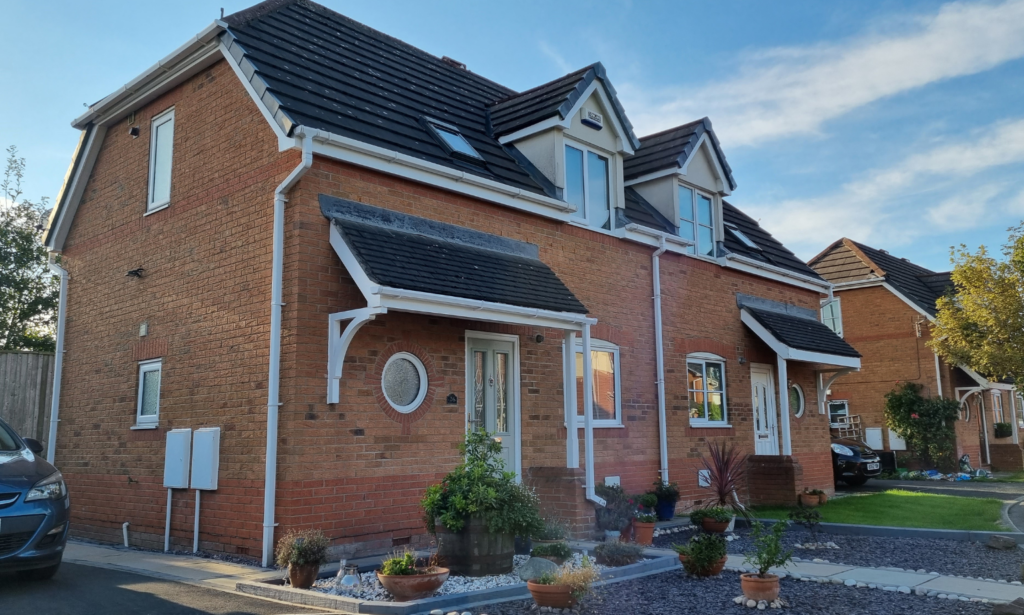

Staywarm Energy Is Becoming Staywarm Windows & Doors
For years, we have been helping homeowners improve their properties with high-quality windows, doors, conservatories, [...]
May
How Long Should Double Glazing Really Last?
Double glazing is designed to last for years, but it won’t last forever. If your [...]
Mar

When Should You Replace Your Guttering? A Homeowner’s Guide
Your guttering plays a vital role in protecting your home from water damage, yet it [...]
Jan

Are uPVC Doors Worth It? Cost, Lifespan & Benefits Explained
uPVC doors have been a staple in British homes for decades. Known for being affordable, [...]
Nov
Double Glazing vs Triple Glazing: Pros, Cons and Costs
When you’re thinking about upgrading your windows, one of the first questions is: double glazing [...]
Sep
Fascias, Soffits and Gutters Explained
When thinking about home improvement, most homeowners focus on windows, doors, and insulation—yet one of [...]
Aug