

uPVC doors have been a staple in British homes for decades. Known for being affordable, energy efficient, and easy to maintain, they’ve long been considered a cost-effective way to improve comfort and security.
However, as technology and materials have advanced, composite doors have become the preferred option for most homeowners looking for a high-quality front door.
With the price gap between composite and standard uPVC front doors now relatively small, we have taken an honest look at how uPVC doors compare, which types still offer great value, and when it’s worth investing in something more premium.
What Are uPVC Doors?
uPVC (unplasticised polyvinyl chloride) is a rigid, weather-resistant plastic that’s widely used in home improvement products like windows, doors, and fascias.
It’s known for its strength, low maintenance, and excellent insulation properties, making it ideal for the British climate. Unlike timber, uPVC doesn’t rot, warp, or need regular painting.
While standard uPVC front doors were once hugely popular for their low cost, modern homeowners increasingly favour composite doors for their enhanced strength, insulation, and appearance.
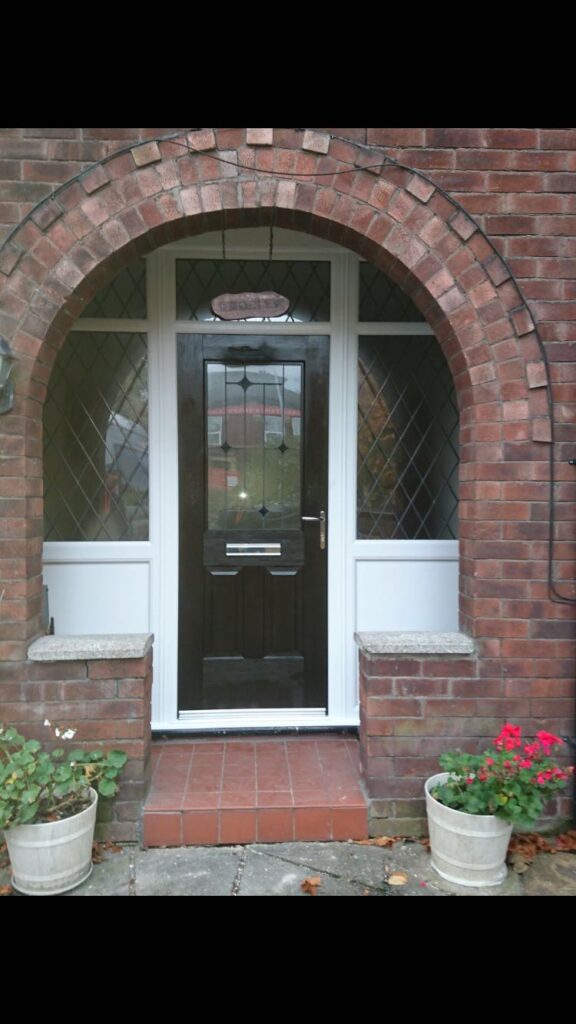
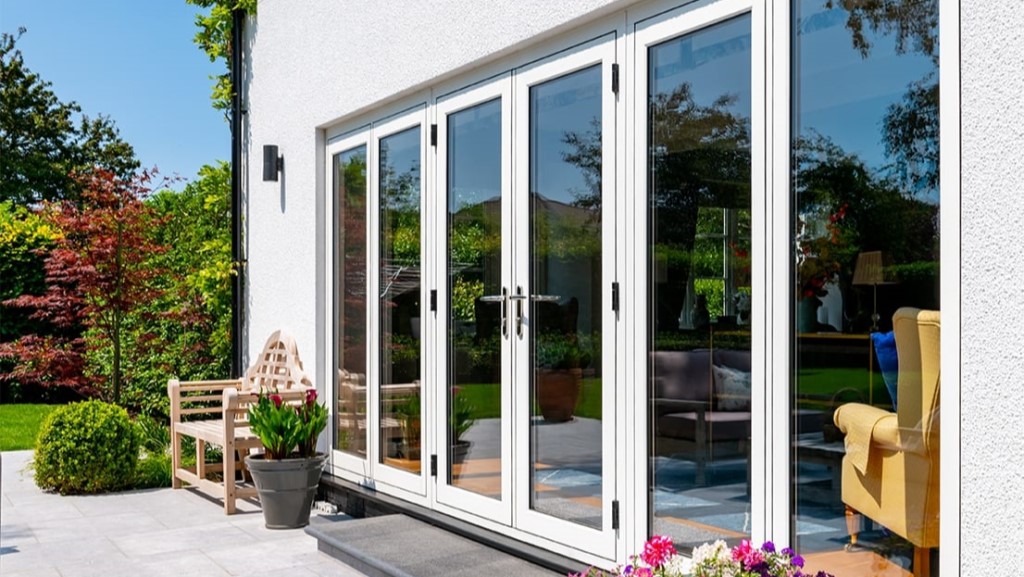
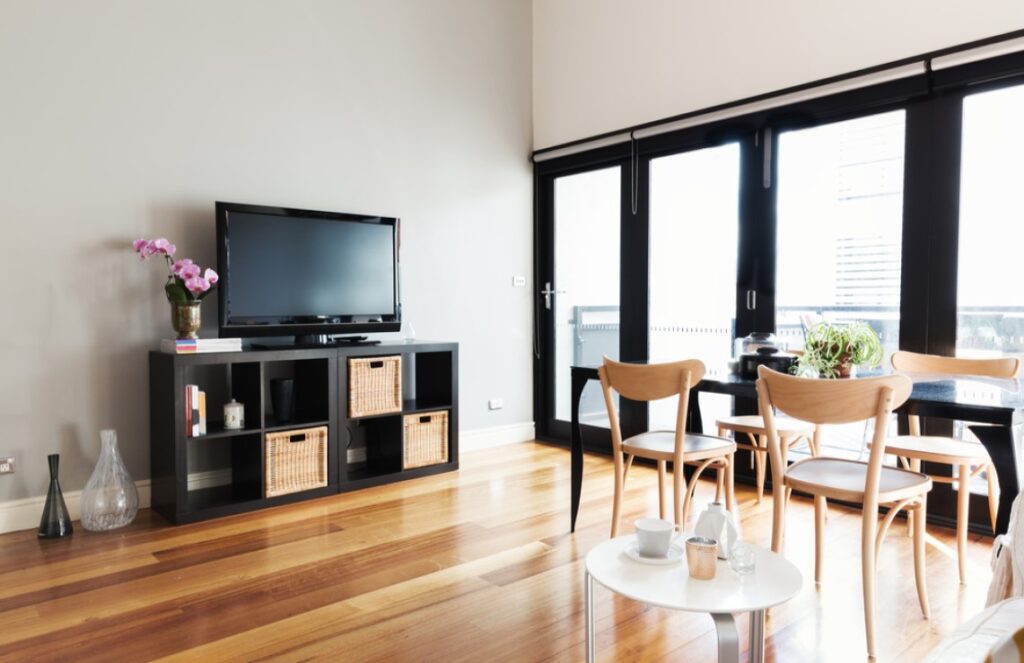
That said, uPVC remains a fantastic choice for rear entrances, French doors, sliding doors, and bi-folding doors, where light, ease of use, and affordability remain top priorities.


Advantages of uPVC Doors
For doors leading to the rear or side of your property, uPVC remains a fantastic choice. The material’s strengths really shine in these areas:
- Low maintenance: Just an occasional clean keeps them looking fresh.
- Energy efficient: Excellent insulation to keep warmth in and draughts out.
- Durable: Weather-resistant and designed to last for decades.
- Affordable: A budget-friendly option compared to aluminium or timber.
- Versatile designs: Wide range of styles and colours to complement your home.
These qualities make uPVC French, sliding, and bi-folding doors an excellent way to open up living spaces without compromising on energy efficiency or cost.

Disadvantages of uPVC Doors
To give a balanced view, it’s worth considering some of the potential downsides of standard doors for the front or back:
- They’re not quite as heavy-duty or offer the same level of security as composite doors.
- Lower-end uPVC can fade slightly over time (though modern UV-resistant finishes prevent this).
- They may not achieve the same solid-wood look as a premium composite door.

uPVC vs Composite Doors: Which Is Better?
Both uPVC and composite doors are excellent choices, but they suit different needs and budgets.
While uPVC front doors are still functional and affordable, the small price difference between uPVC and composite doors now makes composites the smarter choice. They offer better security, a premium finish, and greater longevity, making them far more cost-effective over time.
At Staywarm, we now recommend composite front doors for customers who want the best in performance and aesthetics, while continuing to offer uPVC options for rear and garden doors where practicality and light are key.


Design and Colour Options
Modern uPVC doors offer an incredible variety of styles, finishes, and colours, giving you complete freedom to design a look that perfectly suits your home. Whether you prefer a bold contemporary statement or a more traditional aesthetic, the choice is almost limitless.
At Staywarm, our uPVC doors can be customised using the RAL colour chart, meaning you can choose any colour from hundreds of shades available. From deep blues and elegant greens to subtle greys and rich wood tones, every door can be tailored to reflect your personal taste.
Popular finishes include:
Classic whites and creams for a timeless appearance.
Modern greys and blacks for a sleek, contemporary style.
Chartwell Green (Also known as Pastel Green) and heritage tones for a period feel.
Woodgrain effects that capture the look of timber without the maintenance.
With this vast colour selection, along with decorative glazing, door panels, and hardware choices, your uPVC door can be as unique as your home.

Cost and Value in 2025
As materials and technology have evolved, the price gap between uPVC and composite front doors has narrowed considerably.
That small increase in cost for a composite front door often delivers greater durability, enhanced security, and improved aesthetics.
Staywarm now recommends composite doors for front entrances, while continuing to offer uPVC for all other door styles.
Here is our typical average price ranges for our doors:
uPVC Back Door: £1200 – £1300
Composite Door: £1600 – £1800
Rockdoor: £2000 – £2200
French Door: £1800 – £2200
Sliding Door: £2000 – £2400
These prices may vary dependent on design, colour and furnishing choices.

Extra Benefits: Security, Sustainability, and Noise Reduction

Staywarm Energy Is Becoming Staywarm Windows & Doors
For years, we have been helping homeowners improve their properties with high-quality windows, doors, conservatories, [...]
May

How Long Should Double Glazing Really Last?
Double glazing is designed to last for years, but it won’t last forever. If your [...]
Mar

When Should You Replace Your Guttering? A Homeowner’s Guide
Your guttering plays a vital role in protecting your home from water damage, yet it [...]
Jan

Are uPVC Doors Worth It? Cost, Lifespan & Benefits Explained
uPVC doors have been a staple in British homes for decades. Known for being affordable, [...]
Nov

Double Glazing vs Triple Glazing: Pros, Cons and Costs
When you’re thinking about upgrading your windows, one of the first questions is: double glazing [...]
Sep
Fascias, Soffits and Gutters Explained
When thinking about home improvement, most homeowners focus on windows, doors, and insulation—yet one of [...]
Aug